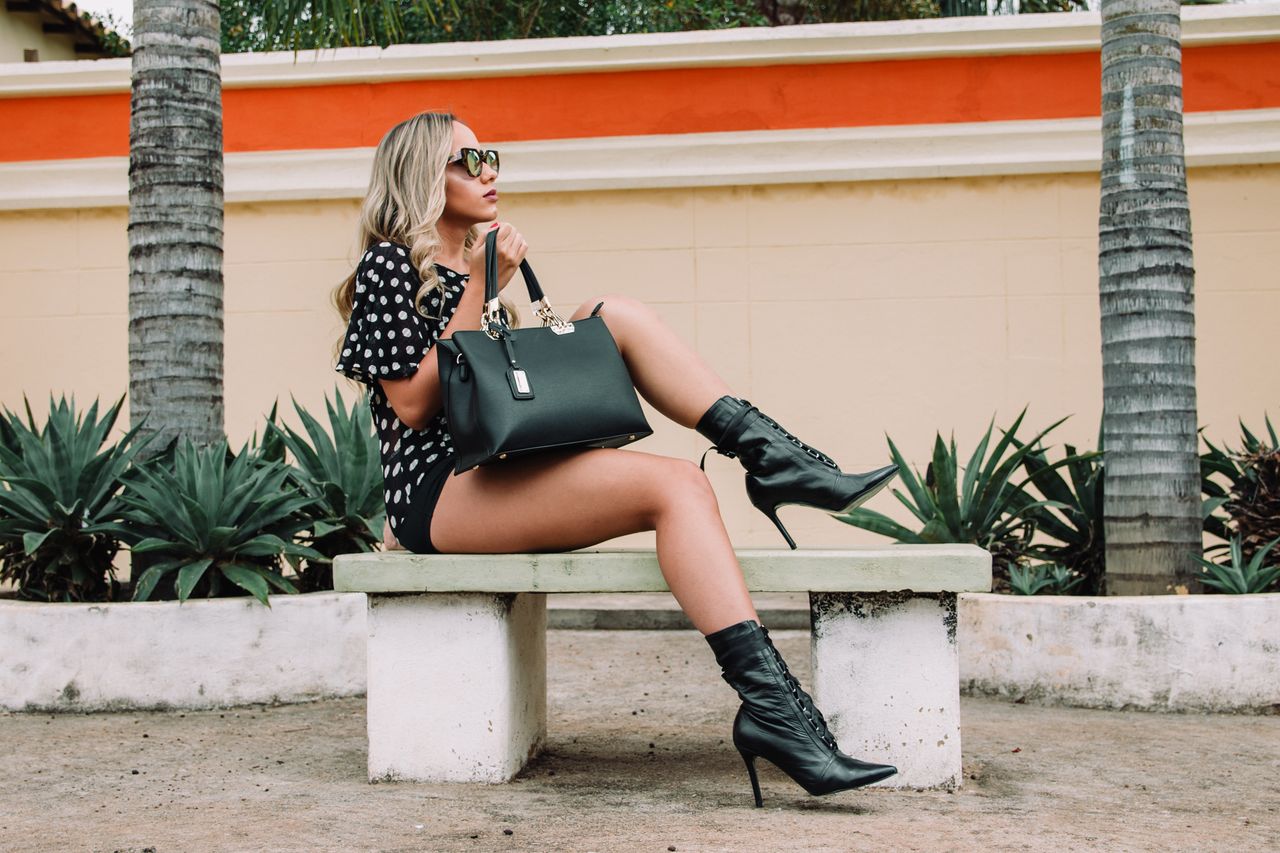
Fashion & Bags: Essential Accessories Today Introduction
The contemporary fashion landscape is a dynamic intersection of self-expression, cultural identity, and utility. While clothing forms the canvas of personal style, accessories serve as the definitive brushstrokes that complete the picture. Among these, bags hold a unique and unrivaled position. No longer viewed as mere containers for personal belongings, bags have evolved into powerful cultural symbols, architectural statements, and indispensable daily companions.
Today, the relationship between fashion and bags is deeply symbiotic. A well-chosen bag can elevate a minimalist outfit, signal status, convey a mood, or bridge the gap between casual comfort and formal sophistication. As lifestyles become increasingly fluid, moving seamlessly from digital workspaces to social environments, the demand for versatile, expressive, and high-quality bags has reached unprecedented heights. This article explores the multifaceted role of bags in modern fashion, examining their historical evolution, current design trends, psychological impact, and future trajectories.
The Historical Evolution of the Handbag
To understand the current status of bags as essential fashion accessories, one must look at their historical trajectory. Bags have transitioned from hidden, purely functional tools into highly visible statements of personal identity.
From Pocket to Public View
In the pre-industrial era, both men and women carried small pouches attached to their girdles or waistbands to hold coins and personal items. During the 17th and 18th centuries, women’s fashion featured voluminous skirts, allowing for large, internal tie-on pockets hidden beneath layers of petticoats. However, the French Revolution drastically altered silhouettes. Directoire and Regency fashions embraced sleek, high-waisted, and sheer columnar dresses that left no room for hidden pockets. This structural shift birthed the reticule, a small, handheld drawstrin
g pouch that represents the true ancestor of the modern handbag. For the first time, a bag was carried openly, transforming it into a visible element of a woman’s ensemble that required aesthetic consideration.
The Industrial Revolution and Modern Travel
The mid-19th century brought industrialization and the expansion of railway travel. As people began traveling greater distances, the need arose for durable, structured hand luggage. In 1841, entrepreneur Samuel Parkinson commissioned the first set of leather hand luggage and matching handbags for his wife, noticing that her existing purses were too fragile for travel. This paved the way for luxury houses like Louis Vuitton, Hermès, and Gucci—originally master trunk makers, saddlers, or leather craftsmen—to pivot into high-end handbag manufacturing. The 20th century cemented this transition, introducing iconic shapes like the Chanel 2.55 in 1955, which revolutionized the industry by adding a shoulder strap, freeing women’s hands for their increasingly active public lives.
Form Meets Function: The Anatomy of Modern Bags
The modern handbag market is highly segmented, offering specialized designs tailored to specific lifestyles, professions, and aesthetic preferences. The ultimate success of a contemporary bag lies in its balance of structural beauty and practical utility.
The Practical Powerhouses
- The Tote Bag: Characterized by its open-top design and parallel handles, the tote is the ultimate utilitarian bag. Once associated primarily with grocery shopping or beach trips, it has been elevated by luxury brands into a sleek, leather corporate essential capable of housing laptops, gym gear, and daily necessities.
- The Crossbody: Featuring a long strap worn across the torso, the crossbody bag prioritizes security, comfort, and hands-free mobility. It is the definitive choice for urban commuting, travel, and casual weekend wear.
- The Backpack: No longer restricted to academic or outdoor settings, the fashion backpack has undergone a luxury redesign. Sleek leather contours, minimalist hardware, and ergonomic designs make it a favorite for professionals prioritizing spine health without sacrificing style.
The Statement Pieces
- The Clutch: Designed to be held in the hand or tucked under the arm, the clutch is the quintessential evening accessory. It is intentionally small, forcing the wearer to carry only absolute essentials, thereby prioritizing sleek aesthetics over storage capacity.
- The Baguette: Popularized in the late 1990s and early 2000s, this small, compact shoulder bag sits snugly under the armpit. Its revival highlights the cyclical nature of fashion trends and the enduring appeal of nostalgic, compact silhouettes.
- The Micro Bag: Championed by avant-garde designers, the micro bag challenges the very definition of utility. Often too small to hold a smartphone, these pieces function essentially as jewelry, serving as pure sculptural statements of high-fashion compliance.
Cultural Symbols and the “It Bag” Phenomenon
Beyond their physical construction, bags carry immense cultural capital. The late 20th century witnessed the birth of the “It Bag”—a specific designer handbag model that achieves explosive popularity, characterized by long waiting lists, celebrity endorsements, and high resale value.
The Economics of Exclusivity
The Hermès Birkin and Kelly bags stand as the ultimate expressions of luxury status. These bags are not merely bought; they are offered to clients based on relationship history with the brand. This carefully manufactured scarcity has turned high-end bags into alternative investment assets. Financial studies routinely show that certain luxury bags outperform traditional stock markets and gold in terms of return on investment. The bag functions as an elite social currency, instantly communicating wealth, access, and taste.
Pop Culture and Identity
The media has played a monumental role in cementing the bag as an essential cultural artifact. Television shows, celebrity street style, and social media influencers have the power to turn a niche design into a global phenomenon overnight. When a consumer purchases a specific bag, they are purchasing a piece of a curated lifestyle. A minimalist leather tote projects professional competence and quiet luxury; an avant-garde, asymmetrical bag signals creative rebellion; a vintage canvas monogram reflects an appreciation for fashion history.
Materials, Craftsmanship, and the Sustainability Shift
The production of bags sits at a crucial crossroads regarding materials and ethical responsibility. As consumer awareness grows, the industry is shifting away from traditional luxury metrics toward sustainable innovation.
Traditional Luxury vs. Synthetics
For centuries, premium leather, exotic skins, and high-grade hardware defined luxury manufacturing. The durability, patina development, and structural integrity of full-grain leather made it the golden standard. However, the rise of fast fashion introduced mass-market synthetic materials like polyurethane (PU) and polyvinyl chloride (PVC). While these synthetics democratized fashion trends, making stylish silhouettes affordable to the masses, they introduced massive environmental challenges due to their non-biodegradable nature and petrochemical origins.
The Green Revolution in Handbag Design
Today, forward-thinking fashion brands are heavily investing in bio-textiles and circular materials. This technological shift has yielded impressive alternatives:
- Mycelium (Mushroom) Leather: Grown from the root structure of fungi, this material mimics the texture, weight, and durability of animal leather with a fraction of the environmental footprint.
- Pineapple and Apple Leathers: Created from the agricultural waste of the food industry, these plant-based materials offer unique textures and excellent durability.
- Recycled Ocean Plastics: Canvas totes, nylon backpacks, and sporty crossbody bags are increasingly constructed from upcycled marine plastic waste, transforming pollution into functional streetwear.
Furthermore, the luxury resale and rental markets have democratized access to high-end vintage pieces, extending the lifecycle of existing products and reducing the environmental strain of overproduction.
Styling the Bag: The Ultimate Anchor of an Outfit
From a stylistic perspective, a bag functions as the anchor of an ensemble. It holds the power to dictate the formality, color balance, and silhouette of a look.
Dictating Tone and Contrast
One of the most effective styling techniques involves using a bag to create an intentional stylistic juxtaposition. For example, pairing a sharp, structured leather top-handle bag with a casual tracksuit instantly elevates the outfit from loungewear to intentional streetwear. Conversely, pairing a relaxed, slouchy suede hobo bag with a tailored power suit softens the rigidity of corporate wear, adding an air of effortless approachability.
Color and Proportion Play
Bags offer a low-risk avenue to experiment with bold color theories. In a monochromatic or neutral outfit—such as an all-black or beige ensemble—a vibrant handbag in cobalt blue, emerald green, or fiery red serves as a compelling visual focal point.
Proportion is equally critical. The physical size of a bag must harmonize with the wearer’s frame and outfit silhouette. An oversized, voluminous tote pairs beautifully with sleek, fitted tailoring, creating a balanced contrast. Meanwhile, a delicate, embellished mini bag prevents a voluminous, layered evening gown from looking overwhelmed.
Conclusion: The Future of the Ultimate Accessory
As we look toward the future, the handbag remains irreplaceable. Digital technologies like smartphones have eliminated the need to carry physical books, wallets, maps, or heavy cameras, allowing bags to become smaller and more experimental in shape. Simultaneously, the hybrid nature of modern life ensures that larger, utilitarian travel and work bags remain essential.
The bag is much more than a receptacle for daily necessities; it is a canvas of cultural evolution, an engineering feat of craftsmanship, and a deeply intimate extension of personal identity. Whether it is a plant-based minimalist tote or a rare archival luxury piece, the bag will always remain the definitive, essential accessory of the modern wardrobe.