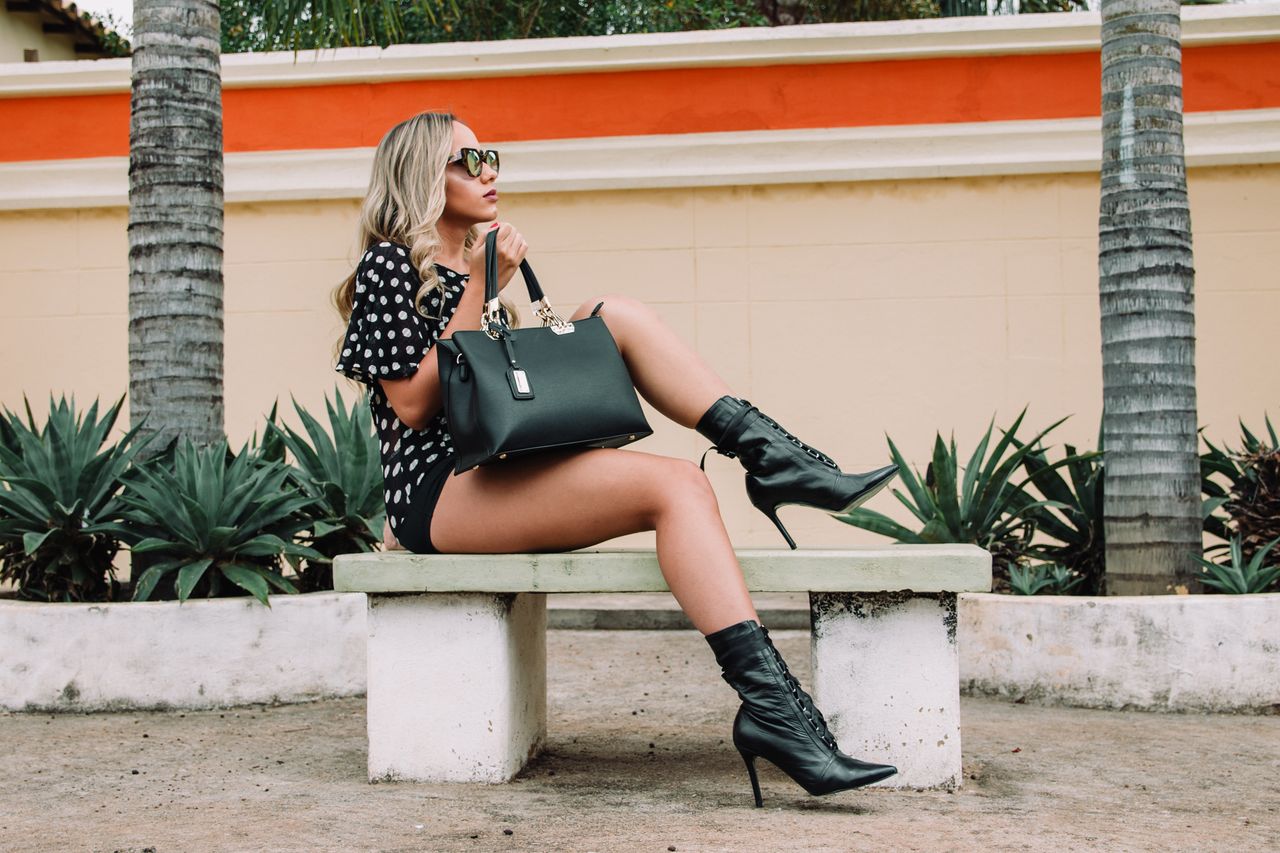
The Story Behind the Handle: How Women’s Bags Shaped the History of Fashion
Every modern woman carries a world of secrets, utilities, and dreams inside her bag. It is an object so deeply intertwined with daily life that we rarely pause to think about how it became an absolute necessity. However, looking back at the evolution of style reveals a fascinating truth: the items carried by a woman have always mirrored her place in society. The history of this accessory is not just a timeline of changing tastes, but a narrative of liberation, utility, and artistic expression. Ultimately, the unique design of the womans bag shaped fashion by transforming a functional pouch into the ultimate symbol of identity and power.
The Hidden Roots of the Woman’s Pouch
Long before structural handbags graced runways, utility dictated design. In the medieval and early modern eras, clothing lacked functional pockets. Both men and women relied on small pouches tied to their waistbands to carry coins, keys, and personal items. For women, these pouches were often worn beneath voluminous skirts, hidden entirely from public view.
As silhouettes evolved into the slim, high-waisted dresses of the Regency period, bulky under-skirt pouches destroyed the sleek lines of neoclassical attire. The solution was the reticule, a small handheld drawstring pouch. This shift marks the moment the womans bag shaped fashion forever. No longer concealed, the accessory stepped into the spotlight. It became an exterior statement piece, meticulously embroidered and beaded, signaling a woman’s taste, wealth, and skill in needlework.
Industrialization and the Birth of the Handbag women’s
The Industrial Revolution changed human mobility completely, creating a massive shift in how people traveled. With the invention of railway travel in the 19th century, women began to journey further from home independently. The delicate, fabric-based reticules were simply too fragile for train travel and could not hold the items required for longer trips.
Recognizing this gap, luggage makers began crafting smaller, sturdy leather cases equipped with strong handles and secure locks. This was the birth of the modern handbag as we know it. These durable leather creations proved that a functional bag shaped fashion by adapting to the rapid pace of modernity. The accessory was no longer just an ornamental luxury; it became a tool of independence for the moving woman.
The 20th Century: War, Liberation, and Leather
The tumultuous decades of the 20th century accelerated the evolution of design. During World War I and World War II, women entered the workforce in unprecedented numbers, taking on roles in factories, offices, and transport. They needed practical, spacious, and durable accessories to carry their everyday essentials.
With wartime rationing, luxury materials like leather grew scarce. Designers had to innovate, turning to alternative materials such as canvas, wood, plastics, and synthetics. Post-war prosperity in the 1950s brought a return to glamour and structure. Iconic fashion houses emerged, solidifying the idea that a luxury bag shaped fashion by defining eras. Chanel’s introduction of the 2.55 bag in February 1955, with its revolutionary shoulder strap, liberated women’s hands, proving that convenience and high style could coexist perfectly.
The Rise of the It-Bag and Cultural Status
By the late 20th century, the accessory had transitioned from a functional companion to a cultural phenomenon. The late 1980s and 1990s witnessed the birth of the “It-Bag”—highly coveted, instantly recognizable status symbols that defined entire decades of pop culture.
Pieces like the Hermès Birkin, the Christian Dior Lady Dior, and the Fendi Baguette became legends in their own right. Women did not just buy these items to hold their belongings; they bought them to signal status, taste, and financial independence. The frantic demand for these specific designs showed the world how a single bag shaped fashion trends globally, influencing everything from high-end manufacturing to fast-fashion replication.
Modern Identity: More Than an Accessory bags
Today, the handb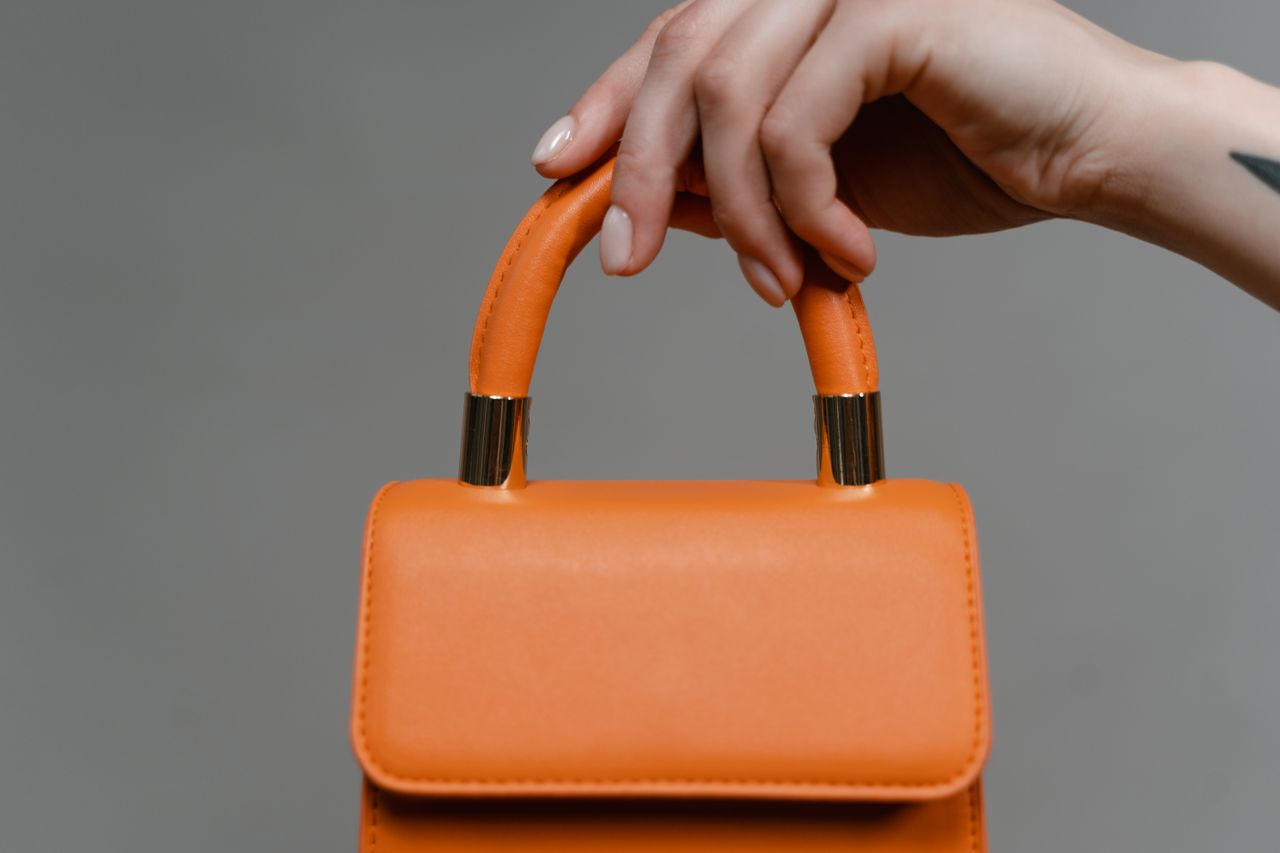 ag serves as an extension of the self. In an era where streetwear blends with haute couture, the accessory functions as a canvas for self-expression. From minimalist totes to avant-garde sculptural pieces, what a person carries tells the world exactly who they are.
Furthermore, the modern era prioritizes sustainability and technology. Contemporary designers use vegan leather, recycled ocean plastics, and bio-based materials to craft their lines. This commitment to the environment proves once again that the creation of the womans bag shaped fashion by aligning aesthetic beauty with global consciousness and ethical responsibility.
Conclusion: Carried Into the Future
From hidden pockets beneath medieval petticoats to the multi-billion-dollar luxury status symbols of today, the evolution of the handbag is a testament to human ingenuity. It has adapted to every major social, economic, and political shift in history.
The story behind the handle is a story of freedom, adaptability, and power. By blending utility with artistry, the development of the womans bag shaped fashion into a dynamic reflection of human progress, proving that the things we carry always define the journeys we take.